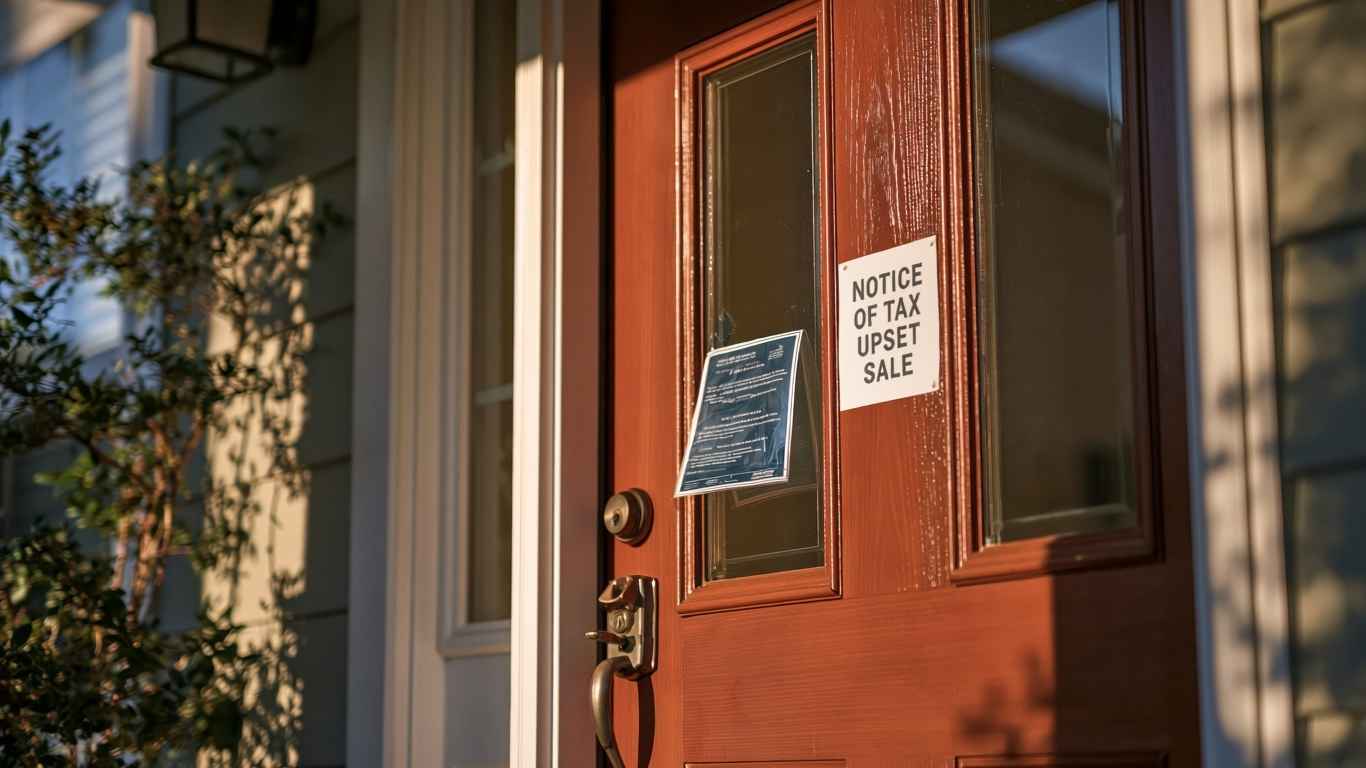
Act 29 of 2026 (HB 858), signed into law on July 20, 2026, and effective September 18, 2026, introduces a significant new reporting obligation for Pennsylvania property owners. The law primarily impacts owners of non-owner-occupied properties such as investment properties, commercial properties, and properties held by business entities. It establishes a county-level property contact information list, enabling municipalities to easily reach those responsible for property maintenance and code compliance. Property owners and their representatives are now required to submit up-to-date contact information for certain properties or face fines of up to $500.
Below is a summary of what the law requires and what property owners need to know.
Who Must Provide Contact Information?
Under the new law, a real property owner must submit contact information to the county chief assessor within 30 days of purchasing real property located within the county. The submission must follow the manner and form prescribed by the chief assessor.
The law applies to a broad range of property owners, including:

- Individuals
- Corporations
- Partnerships
- Limited liability companies
- Trusts
- Other entities
Owner-occupied real property is exempt when an individual owns and occupies it as their principal residence and domicile. The exemption does not apply to rental properties, vacation properties, investment properties, or other real estate that is not the owner’s principal residence and domicile
What Information Must Be Provided?
The required information depends on the type of property owner. For individuals, the required information includes their:
- Name
- Residential address
- Telephone number
- Email address
For businesses and LLCs, owners must provide:
- Business name
- An owner, employee, representative, member, or manager who has the authority and ability to address property maintenance issues and municipal code violations involving the property.
- Business address
- Telephone number, and
- E-mail address of an owner, employee/representative, or member/manager with ownership interest or right who has the authority and ability to address property maintenance issues or municipal code violations
Compliance does not end with the initial submission. If contact information changes, the property owner or owner’s representative must notify the chief assessor within 30 days with updated information.
This requirement is especially important for commercial property owners, LLCs, and businesses where ownership or management may change over time. Establishing an internal process to track and promptly report these changes can help reduce the risk of noncompliance. The Act includes confidentiality provisions governing the use and disclosure of information maintained on the county property contact information list.
What Happens If an Owner Fails to Comply?
Counties may impose fines of up to $500 on property owners or their representatives who intentionally provide false or incorrect contact information, or who intentionally fail to update information as required by law.
While errors and oversights can occur, property owners and their representatives should take reasonable steps to ensure all submitted information is accurate and kept up to date.
To ensure compliance, property owners should:
- Identify whether their property falls within the law’s requirements
- Check with their county chief assessor regarding submission procedures
- Establish a process for providing initial contact information after a purchase
- Designate an appropriate individual to address property maintenance or municipal code issues
- Update the county within 30 days when required contact information changes
Purchasers of commercial, investment, and other non-owner-occupied properties should incorporate Act 29 compliance into their post-closing checklist. Buyers acquiring property through LLCs, partnerships, trusts, or other entities should ensure that appropriate contact information is submitted to the county assessment office within 30 days after closing.
Understanding these requirements early can help property owners and their representatives prepare for compliance and avoid financial penalties. If you have questions about how Act 29 applies to your property or transaction, connect with a member of our Real Estate, Land Use & Development team.