Do you know who made the product you’re importing? If you aren’t taking proper precautions, you may be in violation of U.S. laws controlling the import of goods produced (partially or completely) by forced labor. Learn more about new guidance from U.S. Customs and Border Protection (CBP) on forced labor imports, and four key takeaways to help your business remain compliant.

New Guidance from Customs and Border Protection
On June 12, 2026, CBP issued an Operational Guidance document to assist importers in maintaining compliance with laws dealing with goods produced using prohibited convict labor or forced/indentured labor. CBP has said that this “is a continuation of CBP’s efforts to support the import community, expanding on the scope of and updating the previous June 13, 2022 Uyghur Forced Labor Prevention Act (UFLPA) Operational Guidance for Importers to include all forced labor enforcement… CBP created this guide to help importers understand the differences among the various forced labor authorities concerning imports to the United States.”
When I speak with clients about importing, forced labor compliance is a topic that too often gets treated as someone else’s problem – the supplier’s, the broker’s, the factory’s. This new Guidance makes clear that CBP sees it as your problem too. Here are four key points to serve as an introduction to the topic.
1. Three Different Laws, Now Summarized in One Place
CBP has consolidated all of its forced labor enforcement authorities into a single reference. There are three:
- Section 307 of the Tariff Act of 1930 (19 U.S.C. § 1307), the general prohibition on importing goods made wholly or in part with forced labor, which CBP enforces through Withhold Release Orders (WROs) and Findings;
- The Uyghur Forced Labor Prevention Act (UFLPA), which presumes that goods connected to China’s Xinjiang Uyghur Autonomous Region were made with forced labor unless the importer proves otherwise; and
- The Countering America’s Adversaries Through Sanctions Act (CAATSA), which applies a similar presumption to goods made with North Korean labor anywhere in the world.
Each of these operates differently, and the Guidance maps the enforcement process for each one, including flowcharts and sample detention notices. Until now, importers had to piece this together from separate sources. The Guidance is an effort to promote “informed compliance” by the import community.
2. If Your Shipment is Detained, the Deadline Depends on Which Law CBP is Using
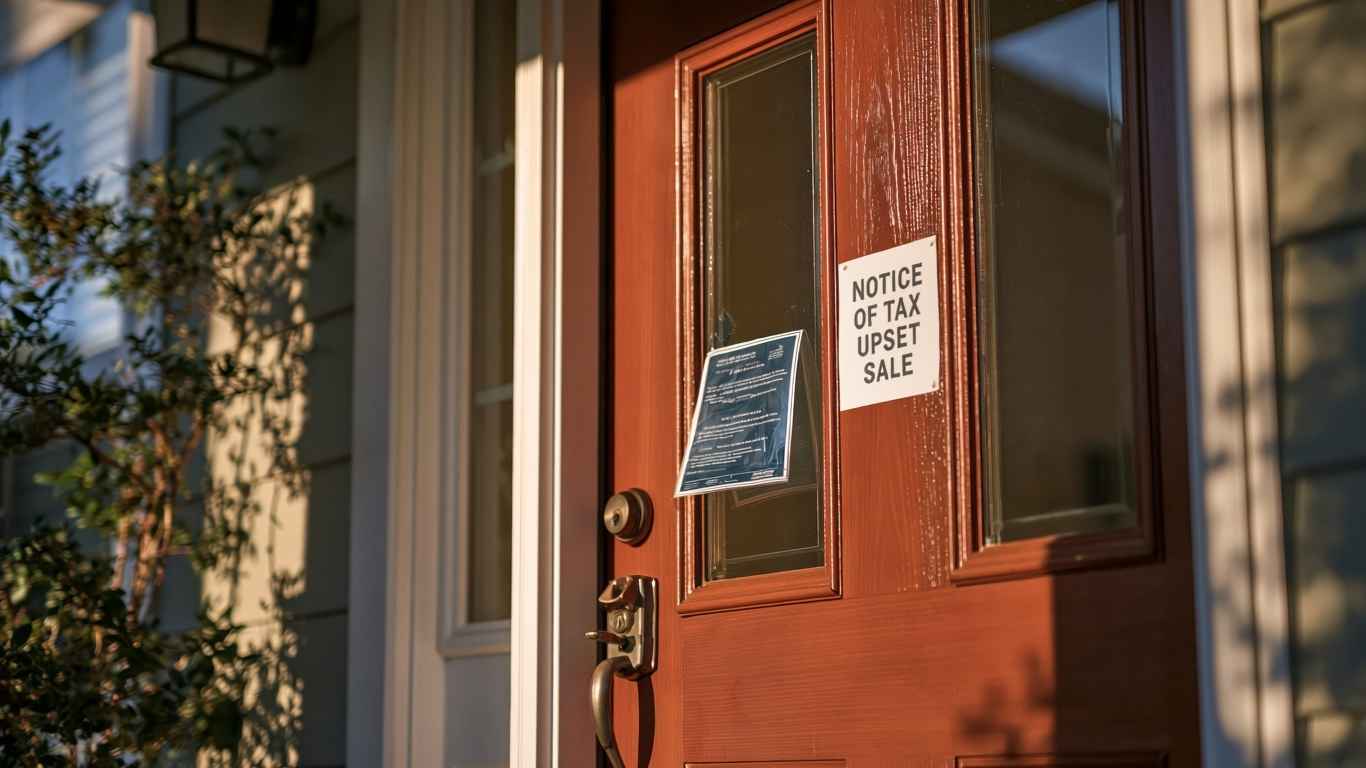
Not all forced labor detentions work the same way, and the differences matter. A detention under the UFLPA may give you as few as 30 days to respond. A WRO detention allows three months for essentially the same task. And a Finding is the most serious: the goods are seized, cannot be exported, and move toward forfeiture unless you affirmatively prove they were not made with forced labor.
If one of your containers were detained tomorrow, would you know which deadline applies? Importers should understand these processes before a detention notice arrives, not after. The clock is short, and it starts whether you are ready or not.
3. The Evidence Standard is High, and One Gap Can Defeat Your Whole Submission
To obtain an exception under the UFLPA, an importer must demonstrate by “clear and convincing” evidence that its goods were not produced with forced labor – and must respond completely to every CBP request for information. The Guidance is blunt on this point: if an importer fails to provide information for even a single supplier anywhere in the supply chain, the entire submission is insufficient.
In practical terms, documenting the final assembly factory is not enough. Many companies know their exporter and final manufacturer but have little visibility into where the cotton, minerals, or other raw materials originated. CBP expects traceability back to the raw material stage – purchase orders, production records, payment records, and transportation documents linking inputs to outputs at every tier. The Guidance includes appendices with recommended documentation for high-priority sectors and practical Due Diligence examples, which are a sensible starting point for evaluating your own records.
4. A Detention is Expensive Even if You Ultimately Win
The costs of a forced labor detention go well beyond delayed inventory. Importers challenging a detention are generally responsible for all storage costs until CBP issues its final determination. CBP may also require a single-transaction bond of up to three times the value of the detained merchandise – real working capital tied up on top of the cargo itself. (One modest bright spot: CTPAT Trade Compliance partners receive prioritized review of their admissibility packages when shipments are detained.)
The lesson is that prevention costs a fraction of what a detention does. Examine your supply chain now, require that your suppliers provide data, and include Representations concerning your suppliers’ labor compliance in your contract documents.
Legal Support for CBP Compliance
All importers must use Reasonable Care and Due Diligence in selecting their suppliers and partners, and CBP expects that importers will engage in Informed Compliance: being aware of the applicable laws and adhering to them. When considering whether to deal with products or components/materials from outside the U.S., this Guidance is critical. The full document is available on CBP’s website.
If your company has questions about this or other international business or trade issues, our International Business and Trade Law attorneys are here to help.